Before films existed there were several different devices which were used to give a persistence of vision- the illusion of a moving picture.
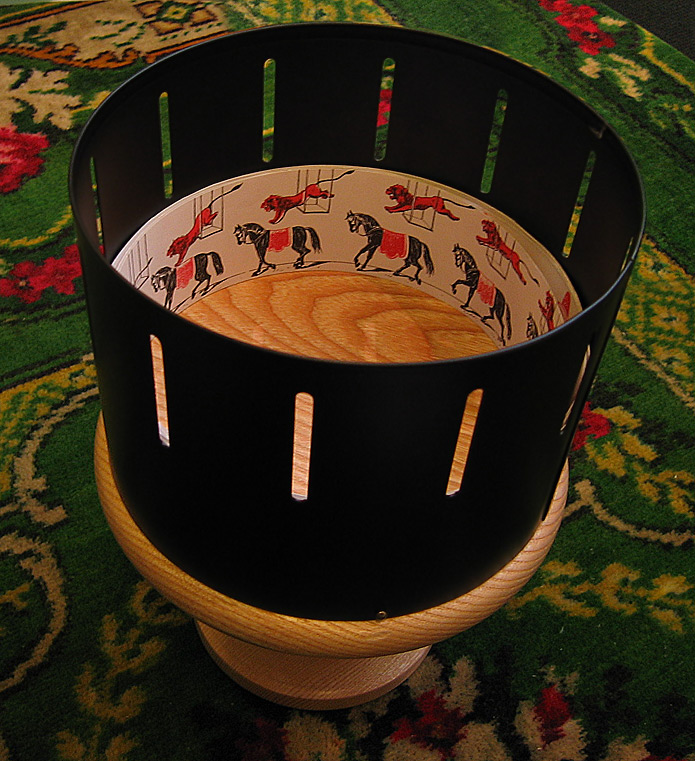
One of these devices was called the Zoetrope, which was a cylinder with multiple images wrapped around the inside, each illustration slightly different to the last. The cylinder also had small slits above each drawing so people could look into the Zoetrope and, when it was spun, see the images appear to move.
Another early animation device was the Thaumatrope, which consisted of a small disc attached to two pieces of string placed opposite each other. Each side of the disc had an image on it, the most common being the images of a bird and a cage. The disc would then be flipped repeatedly by pulling the strings giving the illusion of the pictures being the same, for example the bird would be in the cage.

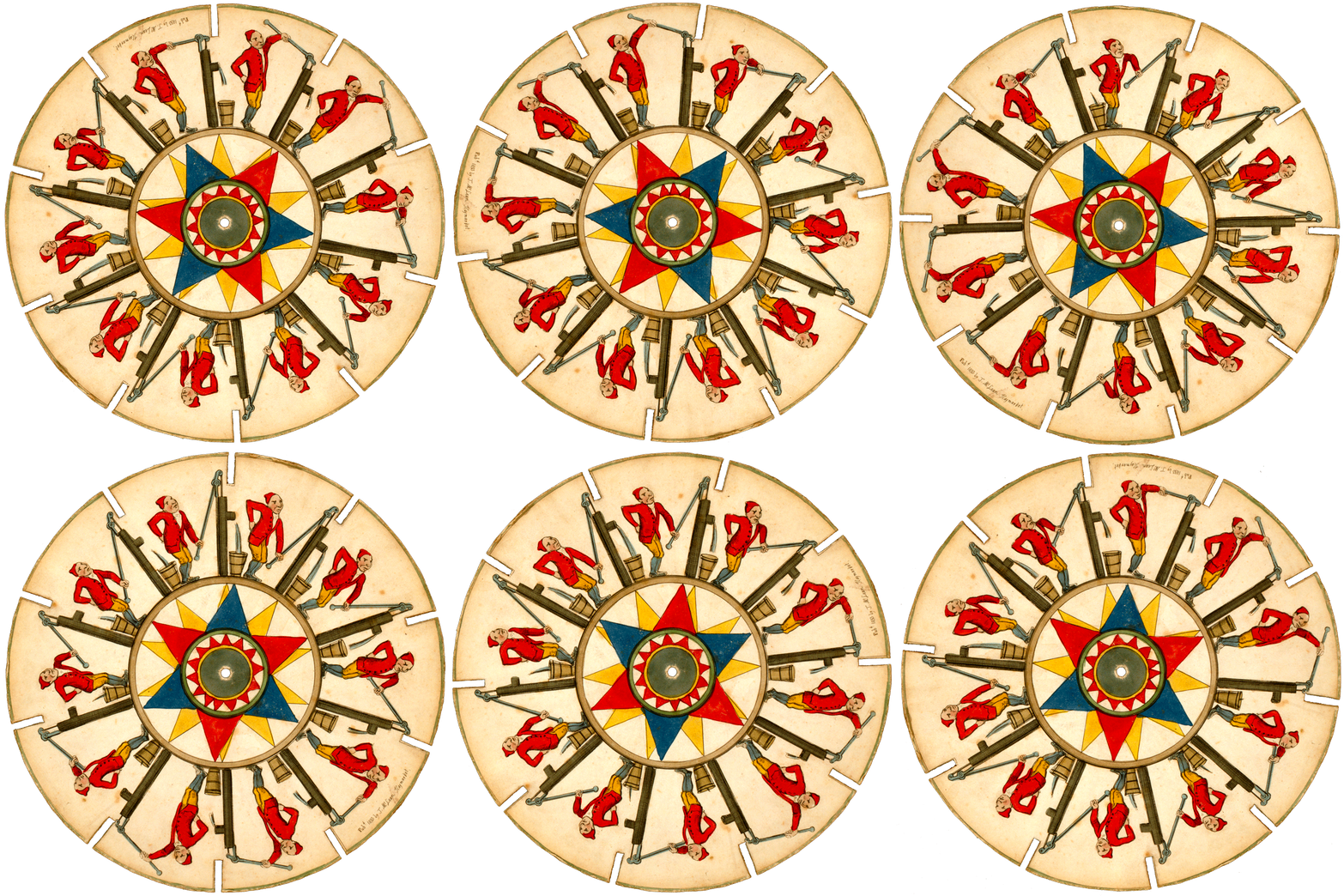
The Phenakistoscope was also used before film existed, and was a cardboard disc with images on one side and slits to look through, as well as a handle. It would be used in front of a mirror and create a rapid succession of images which would appear as a moving image, not unlike the Zoetrope.
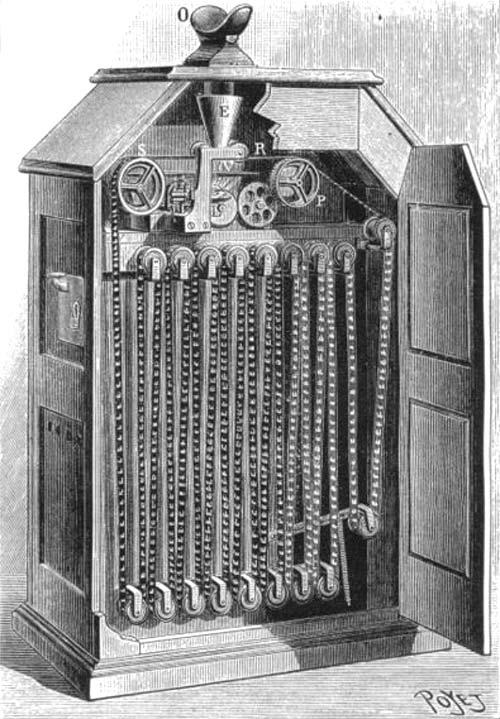
Next is the Kinetoscope, which was invented by Thomas Edison and William Dickson in 1891. The Kinetoscope was designed for one person to view the film at a time through the peephole and worked by having a strip of images rolled over a light source, similar to how films are shown in cinemas.
advertised above it.


No comments:
Post a Comment